When shopping for cashmere, you’ll often come across numbers like 14, 16, or 19 microns in product descriptions. But what do these numbers actually mean? And how do they impact the quality, softness, and value of your cashmere garment? For many shoppers, cashmere micron count is a confusing jargon—but it’s one of the most critical factors that determine whether your cashmere feels buttery soft or scratchy, lasts for years or pills after a few wears.
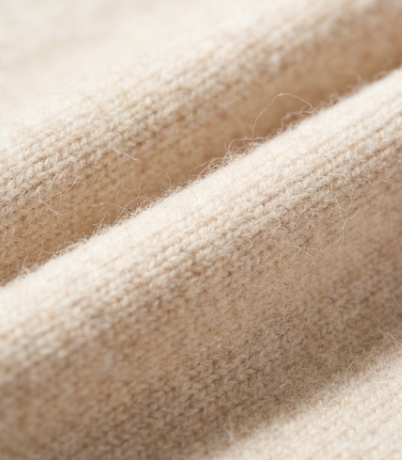
In this comprehensive guide, we’ll break down everything you need to know about cashmere micron comparison. We’ll explain what a “micron” is, compare the most common micron counts (14, 16, 19, and beyond), and help you choose the right micron count for your needs and budget. Drawing on insights from Onward—our brand’s expertise in sourcing Grade A cashmere—this article will turn you into a cashmere micron expert, so you can shop with confidence and invest in pieces that live up to your expectations.
Table of Contents
First: What Is a Cashmere Micron?
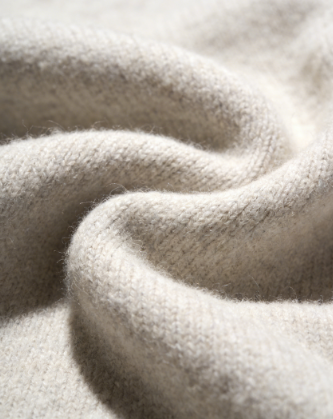
A micron (μm) is a unit of measurement equal to one-millionth of a meter—about 1/25,000 of an inch. In cashmere, the micron count refers to the diameter of individual cashmere fibers. Simply put: The lower the micron count, the finer (thinner) the fiber; the higher the micron count, the coarser (thicker) the fiber.
As explained by Textile School, fiber diameter directly affects softness, breathability, and skin comfort—especially in luxury fibers like cashmere.
Cashmere fibers come from the undercoat of cashmere goats, and their fineness is determined by genetics, climate, and herding practices. The finest cashmere fibers (14–16 microns) are sourced from young goats or goats raised in harsh mountain climates (like Mongolia’s Gobi Desert), where their undercoats develop to be ultra-fine and dense to withstand extreme cold. Coarser fibers (18+ microns) typically come from older goats or regions with milder climates.
Why does this matter? Finer cashmere fibers are softer, more lightweight, and less prone to pilling than coarser fibers. They also have a smoother surface, which gives high-micron cashmere its signature luxurious feel. For brands like Onward, which prioritizes quality, only fibers with a micron count of 19 or lower are considered for our collection—ensuring every garment meets our strict softness and durability standards.
Cashmere Micron Comparison: 14 vs 16 vs 19 Microns (Key Differences)
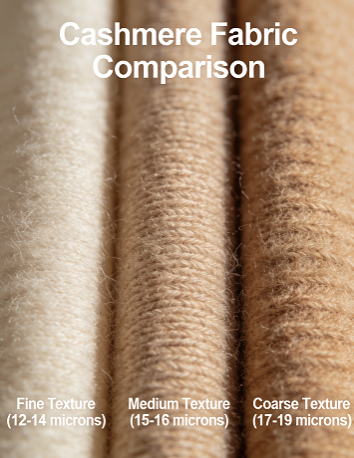
The most common micron counts for commercial cashmere are 14, 16, and 19 microns. While all fall within the “fine cashmere” range, there are noticeable differences in softness, warmth, durability, and price. Let’s compare them side by side:
1. 14 Micron Cashmere: The Pinnacle of Luxury
14 micron cashmere is the finest, rarest, and most luxurious type of cashmere available. To put it in perspective: A human hair is about 70 microns thick—so 14 micron cashmere is nearly 5 times finer than hair. This ultra-fine fiber is incredibly rare, accounting for less than 1% of global cashmere supply (most comes from young Mongolian cashmere goats).
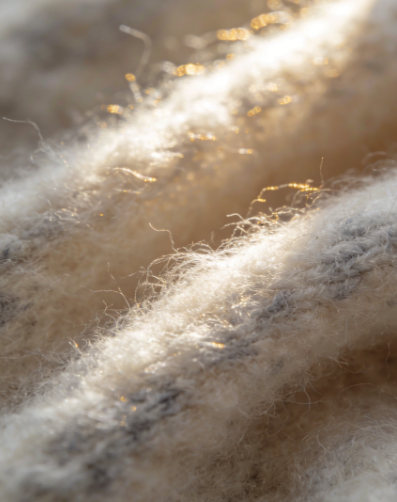
Key Characteristics: Softness: Unmatched buttery softness that feels like a cloud against the skin—no scratchiness whatsoever, even for those with sensitive skin. Warmth: Despite being ultra-fine, 14 micron cashmere is surprisingly warm. The fine fibers are densely packed, creating excellent insulation without bulk. Weight: Extremely lightweight and breathable—perfect for layering or wearing in mild to cold weather. Durability: Finer fibers are slightly more delicate than coarser ones, but with proper care (hand washing, flat drying), 14 micron cashmere can last 10+ years. Price: The most expensive cashmere (often 2–3 times the price of 19 micron cashmere) due to its rarity.
Best For: Luxury shoppers who prioritize softness above all else, those with sensitive skin, or anyone looking for a high-end statement piece. Onward’s limited-edition 14 micron cashmere collection (released annually) is highly sought after by cashmere enthusiasts.
2. 16 Micron Cashmere: The Sweet Spot for Quality & Value
16 micron cashmere is widely regarded as the “sweet spot” for most shoppers—it offers exceptional softness and quality at a more accessible price than 14 micron cashmere. It’s still extremely fine (far softer than wool or synthetic blends) and accounts for about 5–10% of global cashmere supply.
Key Characteristics: Softness: Incredibly soft (nearly indistinguishable from 14 micron cashmere to the untrained eye) with a smooth, luxurious feel. It’s gentle on sensitive skin and has no scratchiness. Warmth: Excellent warmth-to-weight ratio—dense enough to keep you cozy in cold weather but lightweight enough for layering. Weight: Lightweight and breathable, making it versatile for year-round wear (paired with a jacket in winter, worn alone in spring/fall). Durability: More durable than 14 micron cashmere due to its slightly thicker fibers. It pills minimally and retains its shape well with proper care. Price: Mid-range (about 1.5 times the price of 19 micron cashmere) — a great balance of luxury and value.
Best For: Most shoppers looking for high-quality cashmere that’s soft, durable, and not overly expensive. Onward’s core collection (including our best-selling crewneck sweaters and cardigans) is made from 16 micron cashmere—we’ve found it’s the perfect balance for everyday wear.
3. 19 Micron Cashmere: The Most Accessible Premium Option
19 micron cashmere is the most common type of premium cashmere on the market. It’s still fine enough to be considered “high-quality” (far softer than wool) but is more abundant than 14 or 16 micron cashmere, making it more affordable.
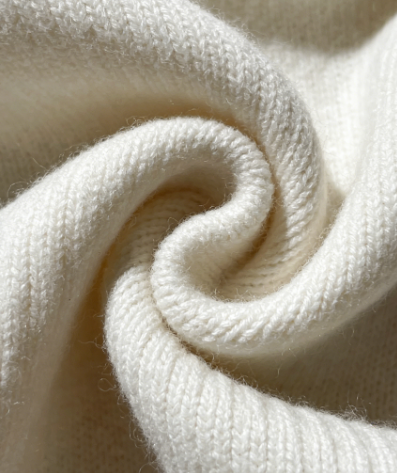
Key Characteristics: Softness: Very soft, though slightly coarser than 14 or 16 micron cashmere (most people won’t notice the difference unless comparing side by side). It’s still gentle on the skin for most people (those with extremely sensitive skin may prefer lower micron counts). Warmth: Excellent warmth—coarser fibers trap heat effectively, making it ideal for cold weather. Weight: Slightly heavier than 14 or 16 micron cashmere, but still lightweight compared to wool. Durability: The most durable of the three—thicker fibers are less prone to breaking or pilling, even with frequent wear. Price: The most affordable premium cashmere option—great for first-time cashmere buyers or those on a budget.
Best For: First-time cashmere shoppers, anyone looking for durable everyday cashmere, or those who prioritize warmth and affordability over ultra-luxury softness. Onward’s entry-level cashmere collection (including basic tees and scarves) uses 19 micron cashmere to make premium cashmere accessible to more shoppers.
What About Cashmere Above 19 Microns?
Cashmere with a micron count above 19 (20+ microns) is considered “coarse cashmere” and is not recommended for high-quality garments. These fibers are noticeably scratchy (some may even feel like wool) and are prone to pilling and fading. Many low-cost “cashmere” brands use 20+ micron cashmere or blend it with wool/synthetics to lower costs—these garments lack the softness and luxury of true premium cashmere.
The U.S. Federal Trade Commission (FTC) warns consumers about misleading textile labels, including vague or deceptive cashmere claims.
At Onward, we never use cashmere above 19 microns in our collection. We believe cashmere should be soft and luxurious—and coarse fibers simply don’t meet our quality standards.
Beyond Micron Count: Other Factors That Impact Cashmere Quality
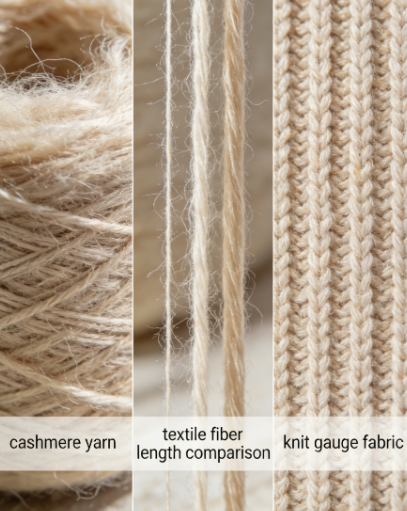
While micron count is critical, it’s not the only factor that determines cashmere quality. To truly judge a cashmere garment, you should also consider:
1. Fiber Length
Fiber length (measured in millimeters) is just as important as micron count. High-quality cashmere uses long fibers (30–40mm), which are less prone to pilling and breakage than short fibers (under 25mm). For example, a 16 micron cashmere garment with 35mm fibers will be far more durable than a 16 micron garment with 20mm fibers. Onward uses only long-fiber cashmere (32–38mm) in all our garments, regardless of micron count.
2. Knit Density (Gauge)
Knit density (measured in “gauge,” or stitches per inch) affects warmth, durability, and appearance. A high-gauge knit (12–14 stitches per inch) creates a dense fabric that retains warmth and resists pilling, while a low-gauge knit (8–10 stitches per inch) is loose and prone to stretching. Onward’s cashmere garments use 12–14 gauge knitting, ensuring a balance of softness and durability.
3. Fiber Content
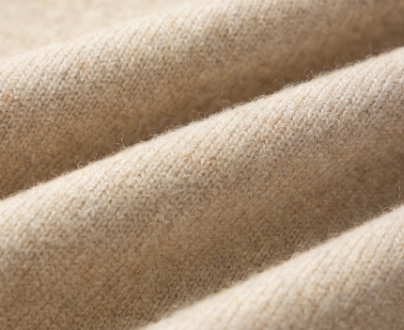
Genuine high-quality cashmere is 100% cashmere. Blends (mixed with wool, acrylic, or polyester) may have a low micron count but will still feel scratchy or stiff. Always check the fiber content label—Onward’s garments are 100% cashmere, with no blends or fillers.
4. Sourcing & Processing
Cashmere sourced from reputable regions (like Mongolia’s Gobi Desert) and processed with gentle methods (mild detergents, low-impact dyes) retains its softness and quality better than cashmere from unknown sources. Onward sources all our cashmere from select Mongolian herder cooperatives and uses eco-friendly processing methods to preserve fiber integrity.
How to Choose the Right Micron Count for You
Now that you understand the differences, how do you choose the right micron count? Here’s a quick guide based on your needs:
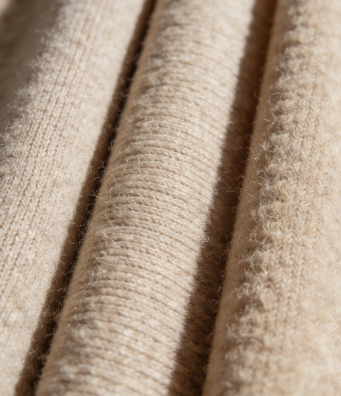
Choose 14 Micron Cashmere If:
- You prioritize ultra-luxury softness above all else
- You have extremely sensitive skin
- You’re willing to invest in a high-end statement piece
- You want lightweight cashmere for layering or mild climates
Choose 16 Micron Cashmere If:
- You want a balance of softness, durability, and value
- You plan to wear cashmere everyday (it’s versatile for all seasons)
- You want a garment that lasts 10+ years with proper care
- You’re looking for a “safe” option that suits most people
Choose 19 Micron Cashmere If:
- You’re a first-time cashmere buyer (affordable and durable)
- You prioritize warmth and durability over ultra-softness
- You’re on a budget but still want genuine premium cashmere
- You plan to wear cashmere in very cold weather (coarser fibers trap heat well)
Common Myths About Cashmere Micron Count (Debunked)
There are many misconceptions about cashmere micron count—let’s debunk the most common ones:
Myth 1: “Lower Micron = Better Quality”
While lower micron counts are softer, “better quality” depends on your needs. A 19 micron cashmere garment with long fibers and high-gauge knitting is better quality (more durable) for everyday wear than a 14 micron garment with short fibers and loose knitting. Quality is a combination of micron count, fiber length, craftsmanship, and sourcing—not just one factor.
Myth 2: “You Can’t Tell the Difference Between 16 and 19 Micron Cashmere”
While the difference is subtle, you can feel it by comparing side by side. 16 micron cashmere feels slightly softer and lighter, while 19 micron cashmere feels slightly more substantial. Most people don’t mind the difference, but those with sensitive skin may prefer 16 micron or lower.
Myth 3: “All 14 Micron Cashmere Is the Same”
No—fiber length and sourcing matter. A 14 micron cashmere garment from a low-quality brand (using short fibers or harsh processing) will pill and fade quickly, while a 14 micron garment from Onward (using long fibers and gentle processing) will last for years. Always check the brand’s quality standards, not just the micron count.
Myth 4: “Higher Micron Cashmere Is Warmer”
Warmth depends on fiber density, not micron count. A 14 micron cashmere garment with a high-gauge knit (dense fibers) can be just as warm as a 19 micron garment. The difference is that 14 micron cashmere is warmer without being bulky, while 19 micron cashmere may feel slightly heavier.
How to Care for Cashmere of Any Micron Count
Proper care is key to extending the life of your cashmere, regardless of micron count. Here’s Onward’s expert care guide:
1. Washing
Hand wash gently with a mild, pH-neutral cashmere detergent (avoid regular laundry detergent, bleach, or fabric softener). Use lukewarm water (30–35°C/86–95°F) and soak for 10–15 minutes (no longer). Gently press to clean—do not rub, scrub, or twist. Rinse thoroughly until water runs clear (add 1–2 tablespoons of white vinegar to the final rinse for extra softness).
2. Drying
Lay flat on a clean towel or drying rack (never hang—this stretches the fibers). Reshape to original dimensions and dry in a cool, well-ventilated area (avoid direct sunlight or heat sources like radiators or dryers). Allow 24–48 hours to dry completely.
3. Storage
Fold cashmere neatly and store in a breathable container (cotton pillowcase or linen bag—avoid plastic). Add cedar blocks or lavender sachets to repel moths. Always clean cashmere before storing (body oils attract moths).
4. Pilling Removal
Use a cashmere comb or battery-operated pill remover to gently remove pills (never pull with your fingers). Comb in the direction of the fiber to avoid damaging the fabric.
Onward’s Approach to Cashmere Micron Count
At Onward, we believe every shopper deserves access to high-quality cashmere—regardless of their budget or needs. That’s why we offer three distinct collections based on micron count:
- Heritage Collection (14 Micron): Our limited-edition, ultra-luxury line for cashmere enthusiasts who demand the finest quality. Sourced from rare young Mongolian goats and crafted with 14-gauge knitting.
- Core Collection (16 Micron): Our best-selling line—designed for everyday wear, with the perfect balance of softness, durability, and value. Available in timeless styles like crewnecks, cardigans, and turtlenecks.
- Essentials Collection (19 Micron): Our entry-level line—affordable, durable, and perfect for first-time cashmere buyers. Includes basics like tees, scarves, and lightweight sweaters.
All our collections use 100% long-fiber cashmere (32–38mm) and high-gauge knitting, ensuring consistent quality across the board. We’re also transparent about our micron counts—you’ll find the exact micron count listed on every product page, so you know exactly what you’re buying.
Final Thoughts: Micron Count Is a Tool, Not a Rule

Cashmere micron comparison is a valuable tool for shopping smarter—but it’s not a strict rule. The “best” micron count depends on your personal preferences, needs, and budget. Whether you choose 14, 16, or 19 micron cashmere, the most important thing is to buy from a reputable brand (like Onward) that prioritizes quality, transparency, and ethical sourcing.
Remember: A high-quality 19 micron cashmere garment will bring you more joy and value than a low-quality 14 micron garment. Focus on the full package—micron count, fiber length, craftsmanship, and brand reputation—and you’ll end up with cashmere that lasts for years.
Have more questions about cashmere micron count? Leave a comment below, and our team of cashmere experts will be happy to help. And if you’re ready to shop for cashmere that fits your micron needs, check out Onward’s collection—we’ve got something for every shopper.