When shopping for luxury cashmere, two labels often stand out: “Italian-Made” and “Mongolian-Made.” Many consumers assume one is inherently superior to the other—either believing Italian craftsmanship guarantees better quality or that Mongolian cashmere is just a “budget alternative.” But the truth is far more nuanced. In reality, these labels refer to different stages of the cashmere supply chain, not to fiber quality alone. According to the Encyclopaedia Britannica, cashmere quality is primarily determined by fiber fineness, length, and purity, rather than the country where the garment is finished.
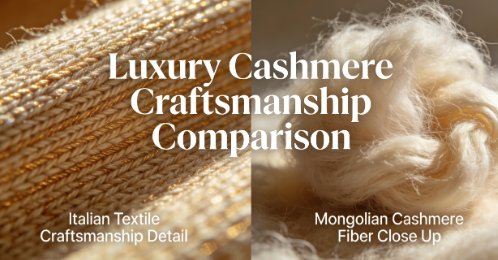
At Onward, we’ve spent years sourcing and crafting cashmere garments, working with both Mongolian fiber producers and Italian manufacturing partners. This hands-on experience has taught us that the “best” cashmere depends on what you value: raw fiber quality, artisanal craftsmanship, sustainability, or brand heritage. In this article, we’ll debunk the myths, break down the key differences, and help you make an informed choice—whether you’re investing in a wardrobe staple or sourcing for your business.
Table of Contents
Myth vs. Reality: The Core Misconceptions
Before diving into the details, let’s clear up the two most common myths about Italian-Made and Mongolian-Made cashmere:
- Myth 1: “Italian-Made means better quality cashmere.”
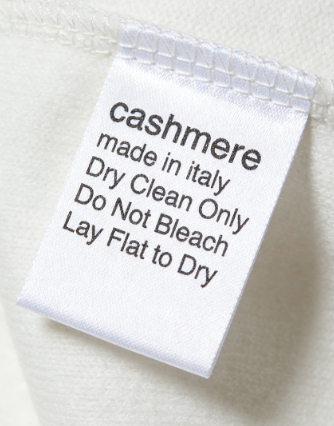
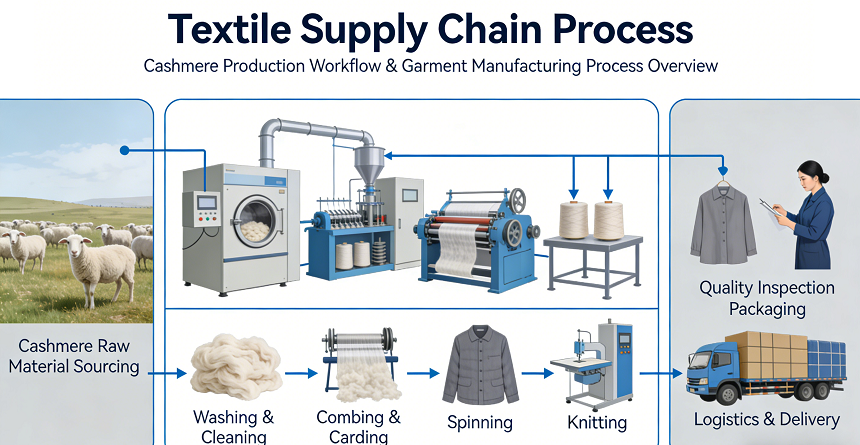
Reality: Italian-Made refers to where the garment is crafted, not the origin of the raw fiber. Most Italian cashmere brands source their raw materials from Mongolia (the world’s top producer of fine cashmere) and then knit, dye, and finish the garments in Italy.
- Myth 2: “Mongolian-Made cashmere is low-quality.”
Reality: Mongolia is the source of the world’s finest raw cashmere fibers (14–16 microns, 32–38mm length). Mongolian-Made simply means the entire production process—from fiber cleaning to finished garment—happens in Mongolia, often using traditional techniques.
The key takeaway? “Italian-Made” and “Mongolian-Made” describe different parts of the supply chain, not the quality of the cashmere itself. At Onward, we prioritize both: sourcing premium Mongolian raw fibers and partnering with skilled artisans (including Italian workshops for select luxury lines) to create garments that balance quality and value.
Key Difference 1: Raw Fiber Origin & Quality
The foundation of any great cashmere garment is the raw fiber—and here’s where Mongolia shines.
The Textile Exchange notes that Mongolian cashmere represents the highest concentration of fine-diameter fibers used in the global luxury market.
Mongolia’s extreme climate (-40°C winters to 30°C summers) forces cashmere goats to grow a dense, fine undercoat. These fibers are naturally finer (14–16 microns, compared to the global average of 16–18 microns) and longer (32–38mm), making them softer, more durable, and less prone to pilling. Mongolia produces over 70% of the world’s raw cashmere, including the rare “king fiber” (13 microns or finer)—a material so luxurious it’s used by top Italian brands.
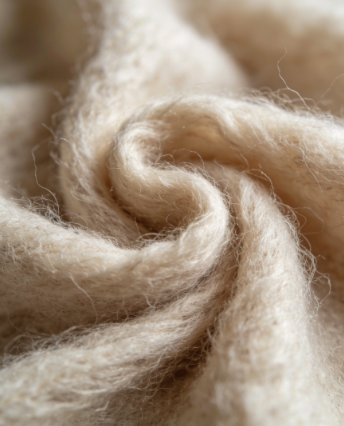
Italian-Made cashmere, by contrast, rarely uses Italian-grown fibers (Italy’s climate is too mild to produce high-quality cashmere goats). Instead, Italian brands source 80–90% of their raw cashmere from Mongolia, with small amounts from China or Afghanistan. The “Italian” label here refers to the processing and craftsmanship, not the fiber’s origin.
For Onward, this means our core collection starts with Grade A Mongolian raw fibers (the top 5% of production). We then choose manufacturing partners based on the garment’s design: simple, timeless styles (like our best-selling 16 micron crewneck) are crafted in Mongolia using traditional techniques, while our luxury tailored pieces (e.g., cashmere blazers) are sent to Italian workshops for precision knitting and finishing.
Key Difference 2: Craftsmanship & Production Focus
While both regions excel at cashmere production, their strengths lie in different stages of the process:
Italian-Made: Precision, Innovation, and Luxury Finishing
Italy has a centuries-old heritage of textile craftsmanship, particularly in knitting, dyeing, and garment finishing. Italian workshops specialize in:
–High-gauge knitting: Creating dense, lightweight fabrics (14–16 gauge) that feel luxurious and drape beautifully.
– Innovative dyeing techniques: Achieving rich, consistent colors (including custom shades) with low-impact, eco-friendly dyes.
– Tailored details: Adding structured seams, elegant trims, and perfect fit—ideal for high-end cashmere pieces like coats, blazers, and dresses.
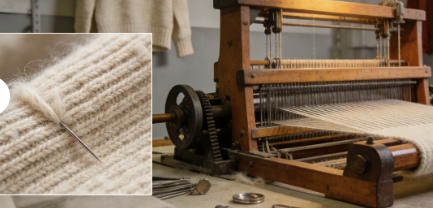
Italian-Made cashmere is also synonymous with “luxury branding,” which often adds a premium price tag (20–50% higher than Mongolian-Made for similar fiber quality). This is why Onward uses Italian manufacturing for our premium “Heritage Collection”—pieces designed for customers who value couture-level craftsmanship and are willing to invest in timeless luxury.
Mongolian-Made: Traditional Techniques & Value
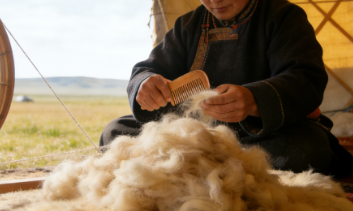
Mongolian cashmere production is rooted in nomadic traditions, with a focus on preserving the fiber’s natural quality. Mongolian workshops excel at:
– Gentle fiber processing: Using low-impact cleaning and de-hairing methods that preserve the fiber’s natural oils (critical for softness and warmth).
– Hand-crafted details: Incorporating traditional knitting patterns (e.g., cable knits, fair isle) that add unique character to garments.
– Efficiency: Streamlining the supply chain (raw fiber to finished garment in one country) to offer better value without sacrificing quality.
Italian-Made vs. Mongolian-Made Cashmere: Core Difference Table
To help you quickly grasp the key distinctions between the two, here’s a concise comparison of Italian-Made and Mongolian-Made cashmere—focusing on the factors that matter most to buyers:
| Comparison Factor | Italian-Made Cashmere | Mongolian-Made Cashmere |
| Raw Fiber Origin | 90% sourced from Mongolia (plus small amounts from China/Afghanistan); rarely Italian-grown | 100% Mongolian-grown (from local cashmere goats adapted to harsh climates) |
| Fiber Quality (Typical) | 14–16 microns, 32–38mm (uses top-tier Mongolian fibers for luxury lines) | 14–16 microns, 32–38mm (includes rare “king fiber” 13micron+; top 5% of Mongolian production) |
| Craftsmanship Focus | Precision high-gauge knitting, innovative dyeing, tailored finishing (couture-level details) | Gentle fiber processing, traditional hand-knitting, efficient supply chain (value-driven quality) |
| Price Point | Premium (20–50% higher than Mongolian-Made for similar fiber quality; includes branding markup) | Mid-range (more affordable due to lower labor/logistics costs; no luxury branding markup) |
| Best For | Luxury tailored pieces (coats, blazers, dresses), custom designs, high-end gifting | Everyday staples (sweaters, scarves, hats), traditional styles, budget-conscious luxury seekers |
| Supply Chain Length | Longer (raw fiber from Mongolia → processed/finished in Italy) | Shorter (raw fiber to finished garment in Mongolia; minimal logistics) |
| Brand Perception | Synonymous with “high fashion,” “couture,” and “luxury branding” | Linked to “authenticity,” “traditional craft,” and “direct herder support” |
Key Difference 3: Sustainability & Ethical Practices
Sustainability is a growing concern for cashmere buyers—and both regions have made strides in ethical production, but with different focuses:
Mongolian-Made cashmere benefits from traditional, low-impact practices: Nomadic herders use rotational grazing to protect the steppes, and hand-combing (instead of shearing) ensures minimal stress to goats. However, rapid demand growth has led to overgrazing in some areas. To address this, Onward partners with Mongolian herder cooperatives that follow sustainable grazing practices and receive fair compensation for their fibers.

Italian-Made cashmere focuses on industrial sustainability: Italian workshops are leaders in eco-friendly dyeing (using water-saving technologies) and waste reduction (recycling leftover yarns). Many also hold certifications like GOTS (Global Organic Textile Standard) or OEKO-TEX. Onward’s Italian partners meet these standards, ensuring our luxury line is as sustainable as it is stylish.
Which Should You Choose? It Depends on Your Priorities
There’s no “one-size-fits-all” answer—here’s how to decide based on what matters most to you:
- Choose Italian-Made if: You value couture-level craftsmanship, tailored fits, innovative designs, or luxury branding. It’s ideal for special-occasion pieces or investments you want to last a lifetime (e.g., a cashmere coat).
- Choose Mongolian-Made if: You prioritize raw fiber quality, traditional craftsmanship, affordability, or supporting nomadic communities. It’s perfect for everyday staples (e.g., sweaters, scarves) that balance softness and durability.
- Choose Onward’s hybrid approach if: You want the best of both worlds—premium Mongolian fibers crafted by the right artisans (Italian or Mongolian) for each style. Our collection is designed to offer options for every budget and preference.
How to Spot a Quality Cashmere Garment (Beyond the “Made In” Label)
Regardless of where it’s made, the best way to judge cashmere quality is to look beyond the “Italian-Made” or “Mongolian-Made” tag. Here are Onward’s expert tips:
- Check the fiber content: Look for “100% Grade A Cashmere” (avoid blends with wool, acrylic, or polyester). Onward lists exact fiber specifications (micron count, length) on every garment tag.
- Feel the fabric: High-quality cashmere should feel buttery soft (not scratchy) and dense (no thin spots). Rub the fabric gently—if it pills immediately, it’s made from short fibers.
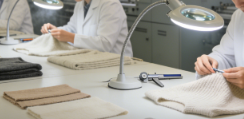
- Examine the stitching: Seams should be straight, even, and reinforced (especially at cuffs, collars, and hems). Loose threads or uneven stitches are a red flag.
- Ask about sourcing: Reputable brands (like Onward) will share details about their fiber sources and manufacturing partners. Avoid brands that vague about where their cashmere comes from.
Final Thoughts: It’s Not About “Better”—It’s About What You Value
The debate between Italian-Made and Mongolian-Made cashmere isn’t about which is better—it’s about understanding what each label truly means. Italian-Made offers precision craftsmanship and luxury branding, while Mongolian-Made delivers exceptional raw fiber quality and traditional charm. Both have their place in the luxury cashmere market.
At Onward, we refuse to choose sides—instead, we leverage the strengths of both regions to create cashmere garments that meet our customers’ diverse needs. Whether you opt for our Mongolian-crafted everyday sweater or our Italian-made luxury blazer, you’re getting the same commitment to quality, sustainability, and timeless design.
Ready to find your perfect cashmere piece? Explore Onward’s collection today, and discover the difference that premium fibers and skilled craftsmanship can make.