Color is one of the most underestimated variables in cashmere sweater manufacturing. While consumers often choose cashmere sweaters based on softness and design, buyers and manufacturers understand that color selection directly affects yarn quality requirements, dyeing complexity, production cost, and long-term sales performance.
Among all color options, beige and other core neutrals—such as ivory, camel, grey, and navy—consistently dominate global cashmere sweater collections. Search terms like beige cashmere sweater, neutral cashmere sweater, and cashmere sweater color options show strong, recurring interest across both B2C and B2B markets.
This article explores cashmere sweater color strategy from a manufacturer’s perspective, explaining why beige and neutral tones are central to successful OEM and wholesale programs.
Table of Contents
1. Why Color Matters More in Cashmere Than in Other Knitwear
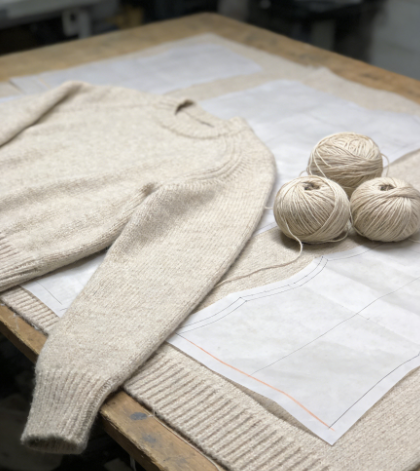
Cashmere is a luxury fiber with a naturally soft, matte surface. Unlike synthetic or cotton yarns, cashmere does not hide imperfections easily.
Color affects:
• Fiber selection standards
• Dyeing yield and rejection rate
• Visual perception of pilling and fuzz
• Long-term color stability
Manufacturers must treat color planning as a technical decision, not just a design preference.
2. Beige Cashmere Sweaters: The Benchmark Color
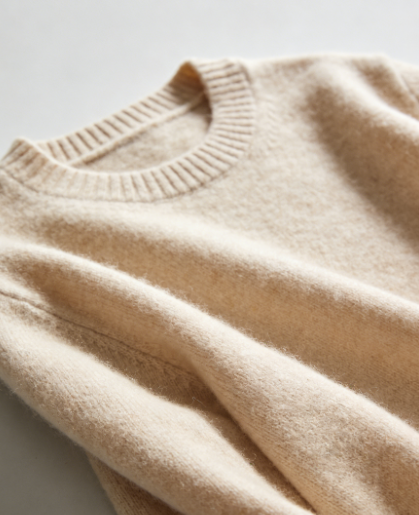
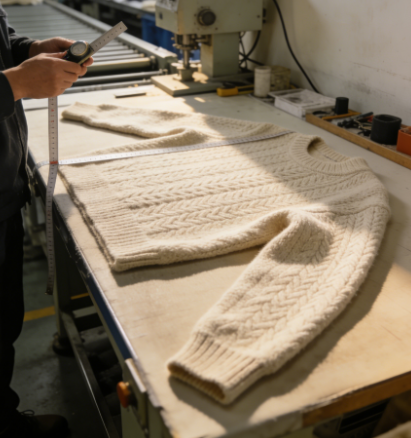
Beige is one of the most searched and most reordered colors in cashmere sweaters.
From a manufacturing perspective, beige:
• Highlights fiber cleanliness
• Exposes surface irregularities
• Requires consistent dye absorption
A well-produced beige cashmere sweater signals strong control over raw material quality and processing.
3. Raw Fiber Requirements for Light and Neutral Colors
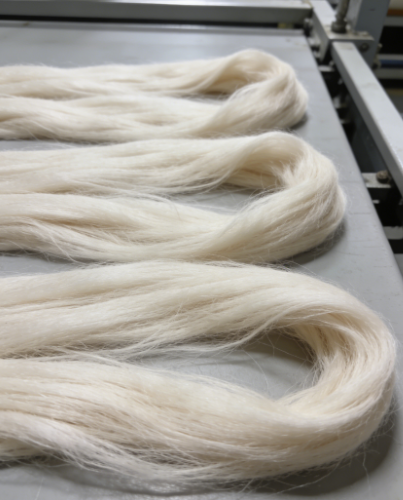
Light shades such as beige, ivory, and cream demand:
• Cleaner raw cashmere
• Lower impurity levels
• More consistent fiber color at the sourcing stage
Manufacturers cannot rely on heavy dyeing to mask defects, making fiber selection far more stringent.
4. Dyeing Challenges Specific to Beige and Light Neutrals
Beige dyeing appears simple but is technically complex.
Key Challenges Include:
• Achieving uniform tone across batches
• Preventing yellow or grey undertones
• Maintaining softness after dyeing
Small deviations are highly visible in light shades, increasing rejection risk during quality control.
5. Dye Lot Consistency and Replenishment Programs
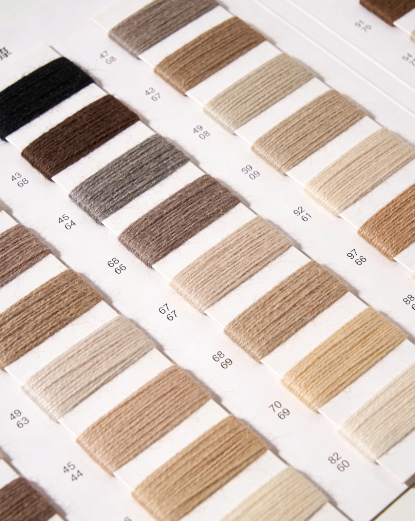
Beige and neutral colors are often reordered season after season, making dye lot consistency essential.
According to Wikipedia’s explanation of dye lots, maintaining consistent dye batches is critical for ensuring uniform color appearance across multiple production cycles, especially in long-term OEM and wholesale programs.
Manufacturers must ensure:
• Dye lot consistency
• Accurate color matching across production cycles
• Stable supplier dye recipes
This consistency is critical for long-term wholesale and OEM programs.
6. Visual Perception: Why Neutrals Emphasize Craftsmanship
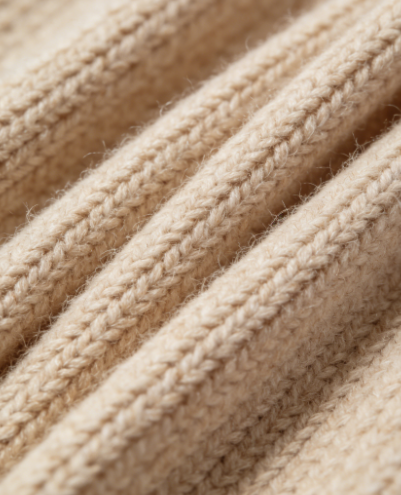
Neutral colors magnify:
• Stitch definition
• Fabric density
• Surface finish
Any imbalance in knitting tension or finishing intensity becomes immediately visible. For manufacturers, neutrals act as a quality audit.
7. Beige vs White: Cost and Risk Comparison
While white cashmere sweaters appear similar to beige, manufacturing risk differs significantly.
White often requires:
• Bleaching processes
• Higher fiber loss
• Increased cost
Beige achieves a clean, premium look with less aggressive processing, making it more cost-effective and sustainable.
8. Core Neutral Colors in Men’s and Women’s Programs

Women’s Programs
Popular neutrals include:
• Beige
• Ivory
• Light grey
• Soft camel
These colors support layering and seasonal transitions.
Men’s Programs
Core neutrals typically include:
• Navy
• Charcoal
• Grey
• Camel
Manufacturers often separate dye strategies for men’s and women’s collections.
9. Color and Pilling Visibility
Pilling occurs in all cashmere garments to some extent. However, color determines how visible pilling appears.
• Light neutrals show fuzz more clearly
• Dark colors hide pilling but show dust and lint
Manufacturers adjust finishing intensity based on color choice.
10. Seasonal vs Core Colors: Production Planning Implications
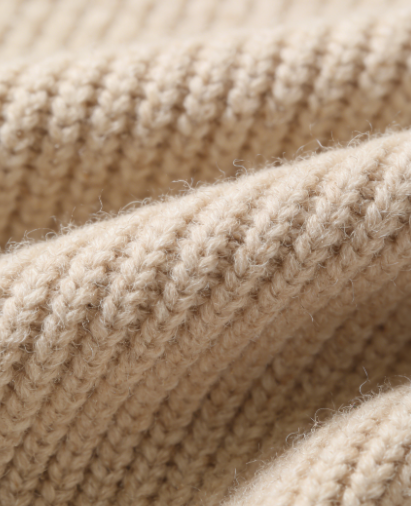
Core neutrals:
• Lower development risk
• Higher reorder potential
• Better inventory stability
Seasonal colors:
• Higher marketing impact
• Increased dyeing risk
• Lower reorder predictability
Manufacturers often recommend building collections around core neutrals first.
11. MOQ Impact of Color Choices
Each additional color increases:
• Dye lot requirements
• Production complexity
• Inventory risk
For OEM programs, manufacturers often suggest:
• Fewer colors per style
• Focus on high-performing neutrals
This approach improves MOQ flexibility.
12. Color Fastness and Washing Performance
Color fastness is critical in cashmere, particularly for light neutrals.
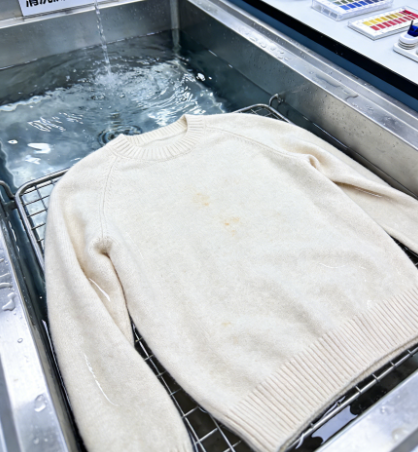
Testing standards developed by AATCC (American Association of Textile Chemists and Colorists) are widely used in the textile industry to evaluate wash fastness, rubbing fastness, and light exposure performance—key indicators for long-term color stability in premium knitwear.
Manufacturers conduct:
• Wash tests
• Rub tests
• Light exposure tests
Light neutrals require especially careful fixation to prevent discoloration over time.
13. Sustainable Considerations in Color Selection
Neutral colors often align better with sustainability goals.
Benefits include:
• Reduced chemical usage
• Lower water consumption
• Longer product lifecycle
Manufacturers increasingly recommend neutrals for sustainable collections.
14. OEM Custom Color Development
OEM buyers may request custom beige tones or proprietary neutrals.
This process involves:
• Lab dips
• Sample approvals
• Dye recipe stabilization
Manufacturers advise limiting custom colors during initial programs.
15. Common Buyer Mistakes in Cashmere Color Planning
From a manufacturer’s view, common issues include:
• Too many colors in one program
• Ignoring dye lot consistency
• Underestimating light-color rejection rates
These mistakes often lead to delays and increased cost.
16. Why Manufacturers Prefer Neutral-Led Collections
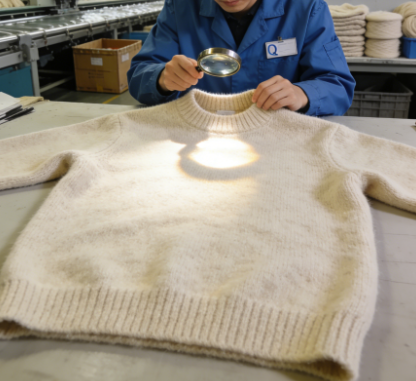
Neutral-led programs offer:
• Stable production scheduling
• Predictable material sourcing
• Lower operational risk
This stability benefits both manufacturers and buyers.
17. Integrating Color Strategy Into Long-Term Collection Planning
Successful brands:
• Build around beige and core neutrals
• Introduce seasonal colors selectively
• Analyze reorder performance
Manufacturers support this approach through data-driven production planning.
Final Thoughts
Cashmere sweater color strategy is a technical discipline that directly affects quality, cost, and market longevity. Beige and core neutral colors remain foundational not only because of aesthetic appeal, but because they reflect disciplined manufacturing, stable sourcing, and long-term commercial viability.
For OEM and wholesale buyers, working with a manufacturer who understands color at a technical level ensures consistency, scalability, and sustainable success.