Men’s cashmere sweaters represent one of the most stable and commercially reliable categories in premium knitwear. Search behavior for terms such as men’s cashmere sweater, cashmere sweater men, and men’s cashmere sweater manufacturer shows consistent year-round demand, particularly from brands and retailers focused on timeless wardrobe essentials.
Compared with women’s styles, men’s cashmere sweaters appear simpler in design. However, from a manufacturing perspective, they demand stricter control over durability, dimensional stability, and wear performance. A men’s sweater is expected to maintain its shape, surface appearance, and comfort across multiple seasons of use.
This article explores the key manufacturing standards that define high-quality men’s cashmere sweater production, from yarn selection and knitting structure to finishing, quality control, and OEM considerations.
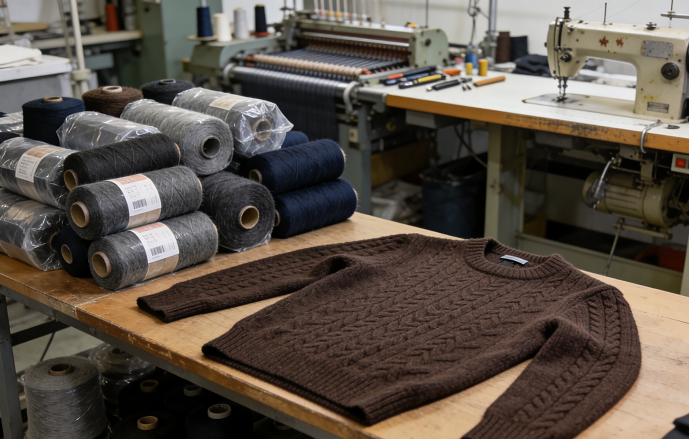
Table of Contents
1. Why Men’s Cashmere Sweaters Prioritize Performance Over Trend
Men’s knitwear collections typically emphasize:
● Longevity rather than seasonal fashion
● Repeat purchasing and replenishment
● Consistent sizing and fit
As a result, men’s cashmere sweaters must perform reliably over time. Manufacturers focus less on ultra-soft first-touch feel and more on balanced softness, strength, and shape retention.
This performance-driven mindset influences every technical decision during production.
2. Fiber Selection: Balancing Softness and Strength
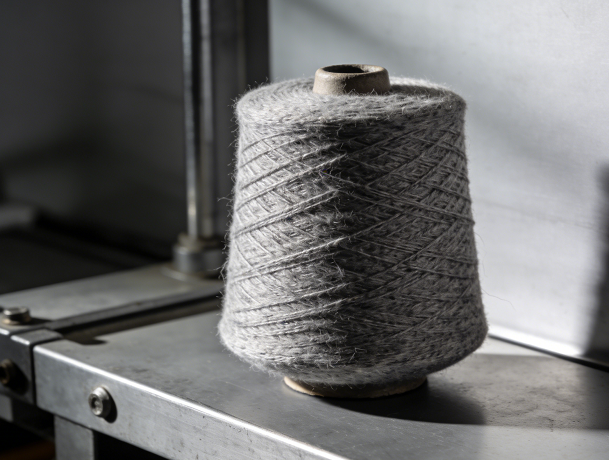
Fiber length plays a decisive role in yarn performance. As explained by Textile School, longer staple fibers create stronger yarns with fewer loose ends, significantly reducing surface pilling and improving abrasion resistance—key performance requirements in men’s cashmere sweaters designed for repeated wear.
Although men’s and women’s sweaters may use similar fiber grades, manufacturers often adjust selection criteria for men’s programs.
Key Fiber Considerations
● Fiber length: Longer fibers improve yarn strength and reduce surface pilling
● Fiber fineness: Moderate fineness maintains softness without sacrificing durability
Overly fine fibers may feel luxurious initially but can compromise abrasion resistance—an unacceptable trade-off in men’s wear.
3. Yarn Structure: Why 2-Ply Is the Industry Standard
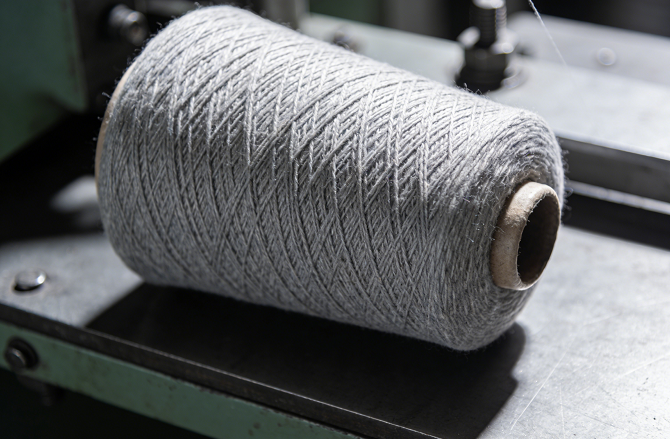
For men’s cashmere sweaters, 2-ply yarn is considered the minimum standard in professional manufacturing. According to Textile School, multi-ply yarns offer higher tensile strength, improved elasticity recovery, and greater resistance to deformation compared to single-ply yarns, particularly at stress points such as elbows and cuffs.
Benefits include:
● Increased tensile strength
● Better recovery after stretching
● Reduced deformation at elbows and cuffs
Single-ply yarn may lower cost but often leads to visible wear within a short usage period, increasing after-sales issues.
4. Yarn Count and Its Impact on Fabric Behavior
Common yarn counts used in men’s cashmere sweaters include:
● 2/24 NM: most widely used, balanced softness and durability
● 2/26 NM: slightly finer appearance, lighter weight
Manufacturers typically recommend avoiding extremely fine yarns for core men’s styles, as durability is a higher priority than visual delicacy.
5. Knitting Gauge: Defining Structure and Weight
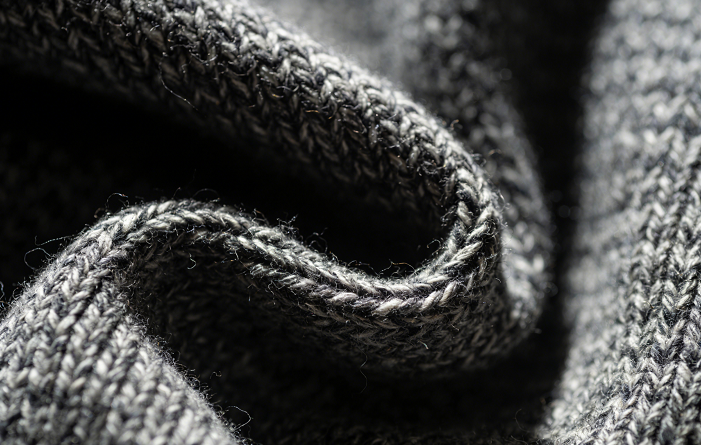
Gauge selection plays a critical role in men’s sweater performance.
Typical Gauge Choices
● 12GG: refined appearance, lighter structure
● 9GG: industry standard for most men’s sweaters
● 7GG: heavier, more casual or outerwear-inspired styles
Among these, 9GG remains the most commercially reliable option, offering a strong balance between comfort, warmth, and structural integrity.
6. Stitch Density and Fabric Stability
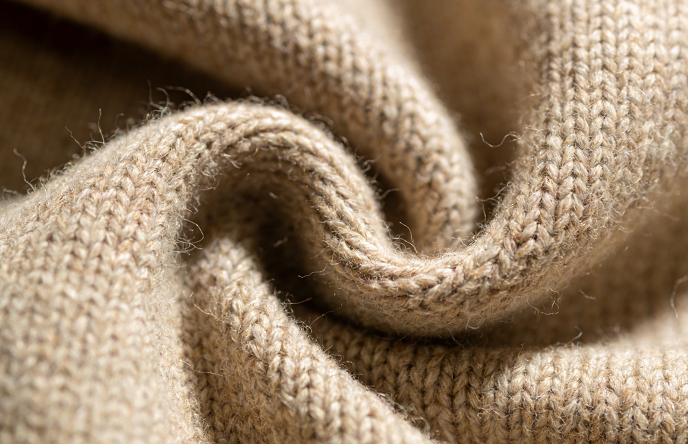
Beyond gauge, stitch density determines how the sweater behaves during wear.
Loose density:
● Increases stretch and sagging
● Accelerates shape loss
Overly tight density:
● Reduces elasticity
● Makes garments feel rigid
Experienced manufacturers fine-tune stitch density based on yarn elasticity and finished weight targets.
7. Weight Standards in Men’s Cashmere Sweater Production
Weight consistency is especially important in men’s programs due to repeat orders and replenishment cycles.
Common Finished Weight Ranges
● 280–320g: lightweight layering styles
● 320–380g: classic winter sweaters
Maintaining tight weight tolerance ensures consistency across production batches and seasons.
8. Fit Accuracy and Size Consistency
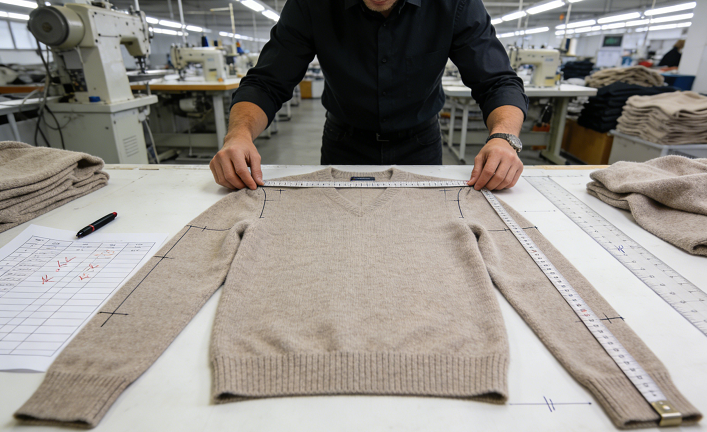
Men’s sizing expectations are less forgiving of deviation. Even small inconsistencies can result in fit complaints.
Manufacturers ensure size accuracy through:
● Controlled knitting shrinkage
● Pre-washing processes
● Blocking and steam shaping
These steps stabilize dimensions before garments reach the end consumer.
9. Finishing Processes That Enhance Wear Performance
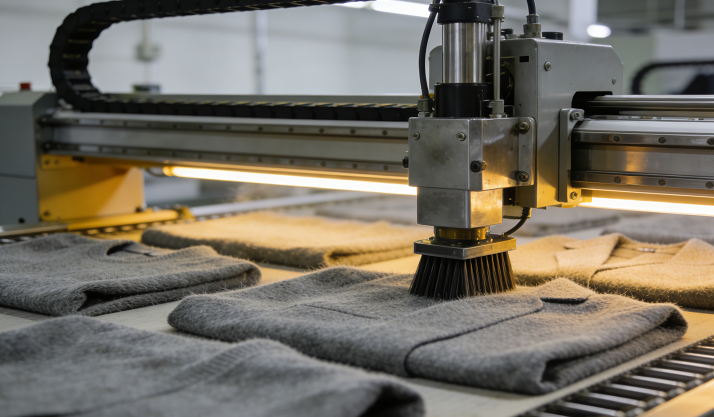
Finishing is a critical stage in men’s cashmere sweater manufacturing.
Key finishing processes include:
● De-hairing: reduces surface fuzz and improves clarity
● Anti-pilling treatment: enhances long-term appearance
● Pre-wash stabilization: minimizes post-sale shrinkage
Reducing finishing intensity may save cost but often results in early wear issues.
10. Neckline Construction and Reinforcement
Crew neck and V-neck styles dominate men’s cashmere collections.
Manufacturing focus areas include:
● Reinforced neckline ribbing
● Elastic recovery after wear
● Seam strength at stress points
Proper reinforcement prevents neckline deformation over time.
11. Color Selection and Dye Consistency
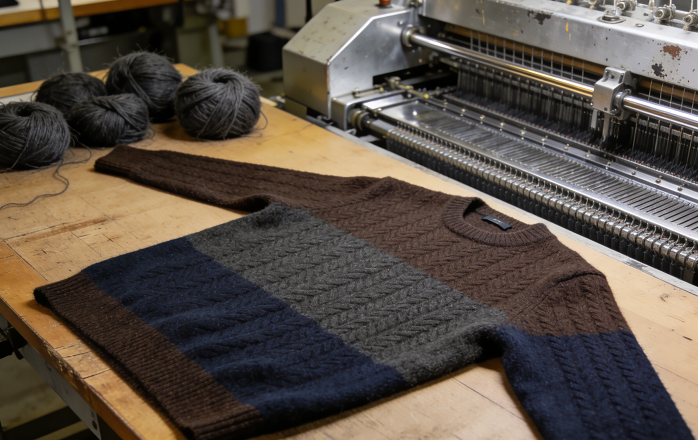
Men’s collections typically rely on:
● Black
● Navy
● Charcoal
● Grey
● Camel
These colors demand high dye consistency across batches, especially for replenishment programs. Manufacturers apply strict dye lot control to ensure uniform appearance.
12. OEM Considerations for Men’s Cashmere Sweaters
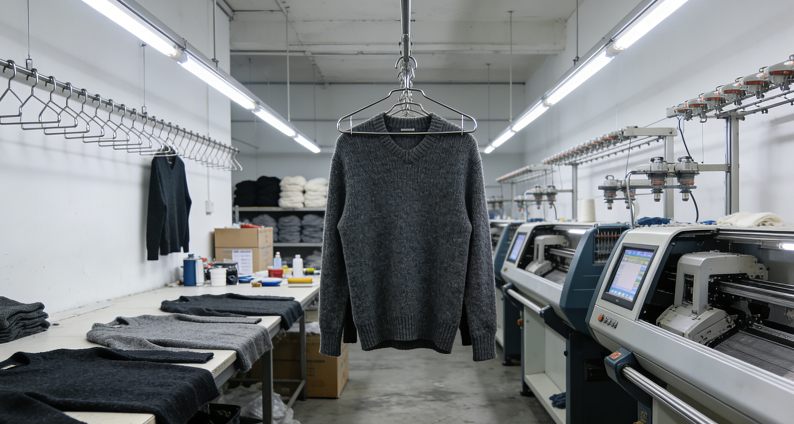
OEM programs often involve:
● Custom sizing charts
● Brand-specific labeling
● Consistent repeat production
Manufacturers experienced in OEM production help buyers:
● Optimize yarn and gauge selection
● Maintain consistency across seasons
● Control long-term cost stability
13. MOQ Expectations in Men’s Programs
MOQ for men’s cashmere sweaters generally reflects their standardized nature.
Typical MOQs:
● 150–300 pcs per style/color using stock yarn
● Higher for custom-dyed or specialty yarns
Manufacturers may offer greater flexibility for ongoing programs.
14. Common Buyer Mistakes in Men’s Cashmere Sourcing
From a manufacturer’s perspective, frequent mistakes include:
● Prioritizing softness over durability
● Underestimating finishing importance
● Ignoring long-term replenishment consistency
Addressing these early improves program sustainability.
15. Why Men’s Cashmere Sweaters Are Ideal for Long-Term Programs
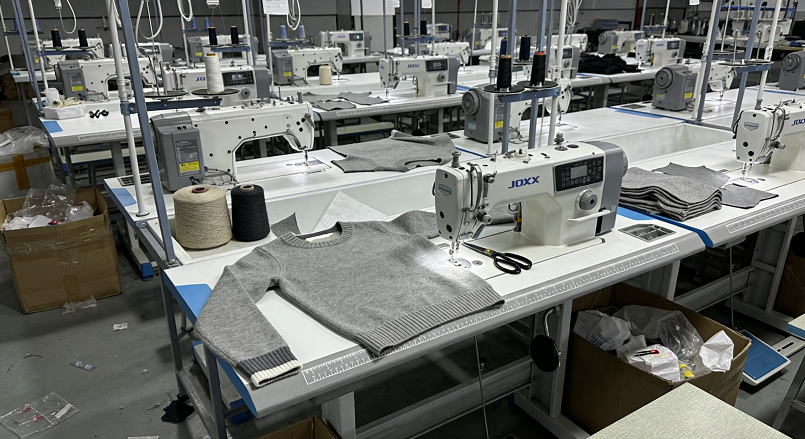
Men’s styles often remain in collections for multiple seasons. This makes them ideal for:
● Stable wholesale programs
● Core OEM styles
● Long-term supplier relationships
Manufacturers value buyers who approach men’s programs with a long-term mindset.
16. Why Manufacturing Consistency Drives Reorders
Minor variations in size or weight may be acceptable in women’s fashion but are rarely tolerated in men’s programs. Stable specifications reduce return rates and improve buyer confidence.
✅ Final Thoughts
Men’s cashmere sweater manufacturing is defined by balance—between softness and strength, structure and comfort, cost and durability. Brands and wholesalers who understand these technical foundations are better positioned to build reliable, scalable programs.
Working with an experienced men’s cashmere sweater manufacturer ensures consistency, performance, and long-term value.
For men’s cashmere sweater OEM or wholesale sourcing, manufacturing stability matters.